Places to Visit in Scotland: Books to Inspire Your Journey
From wild coastlines to ancient peaks, discover Scotland through the pages of books that capture its landscapes, adventures and enduring spirit.
Scotland's landscapes possess a magnetic quality that draws travellers, walkers and adventurers from across the world. From the jagged peaks of the Highlands to the wind-swept archipelagos of the Outer Hebrides, this is a land where nature still holds sway, where ancient mountains meet ever-changing seas, and where every glen and loch seems to harbour its own story. Whether you're planning your first visit or returning to explore deeper, the right book can transform your understanding of Scotland's places, revealing layers of history, culture and natural wonder that might otherwise remain hidden.
While dedicated Scotland guidebooks certainly have their place, some of the most enriching travel literature comes from books that explore similar landscapes, capture the essence of journey-making, or teach us how to truly see the wild places we encounter. Here are several titles that can deepen your appreciation for Scotland's remarkable destinations, even if they don't always name them directly.
Understanding Britain's Wild Edges
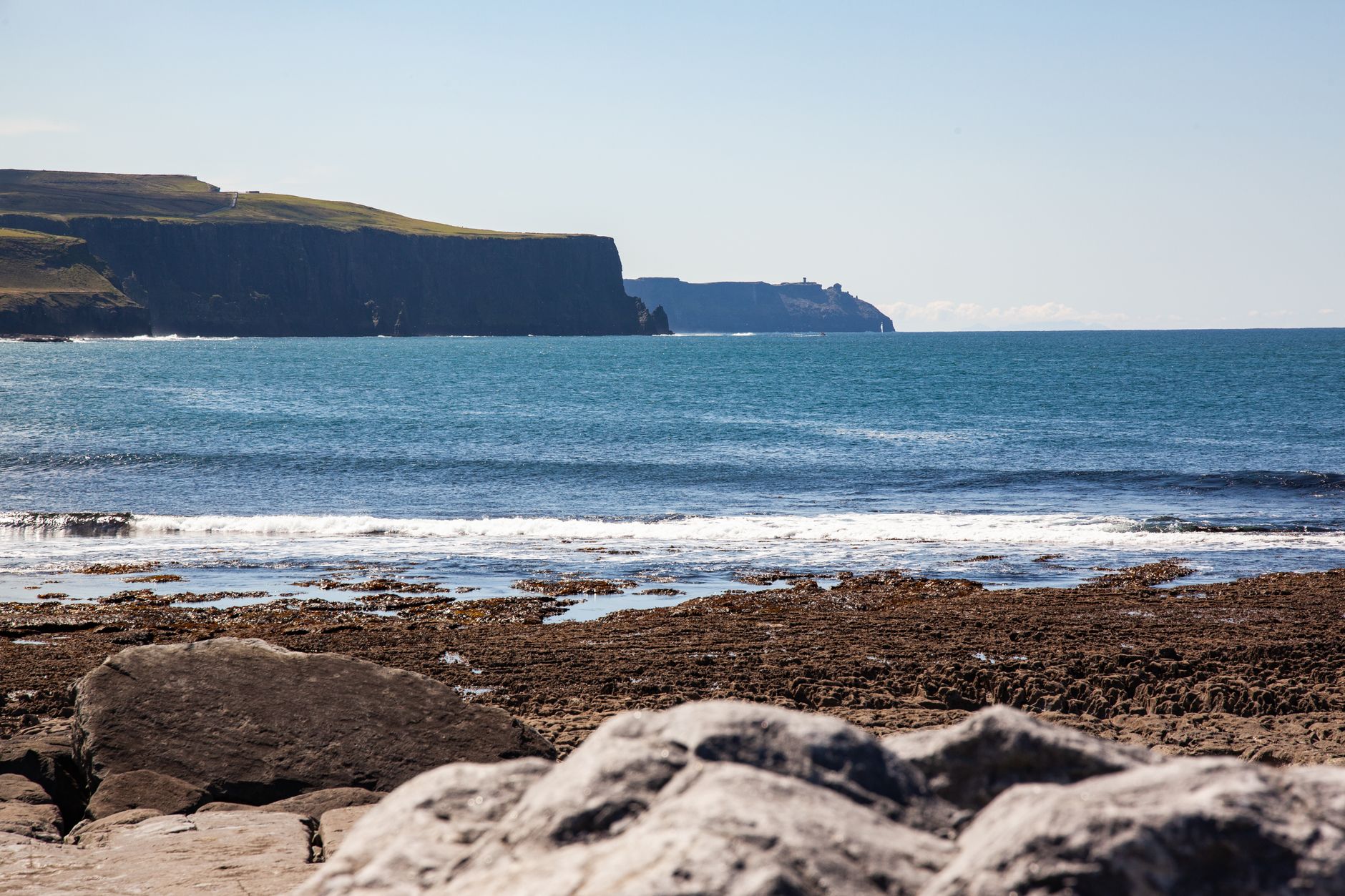
To truly appreciate Scotland's coastal drama, it helps to understand the broader context of Britain's relationship with the sea. The North Sea: Along the Edge of Britain by Alistair Moffat offers an illuminating journey along one of the world's most historically significant bodies of water. Scotland's eastern coast—from the Fife fishing villages to the dramatic cliffs of Caithness—forms a crucial part of this maritime story. Moffat's exploration helps us understand how these coastal communities developed, how the sea shaped culture and language, and why places like St Andrews, Arbroath and Aberdeen matter beyond their immediate beauty. This is essential reading for anyone planning to explore Scotland's North Sea shores, from the Berwickshire coast to the far reaches of Orkney and Shetland.
The book reminds us that Scotland's coastal places aren't merely scenic backdrops—they're living repositories of fishing traditions, Norse influences, and the constant negotiation between land and water. When you stand on the harbour wall at Pittenweem or walk the coastal path near Dunbar, Moffat's words provide the context that transforms observation into understanding.
The Spirit of Long-Distance Adventure
Scotland's long-distance routes—the West Highland Way, the Great Glen Way, the Cape Wrath Trail—attract thousands of walkers each year. But what does it truly mean to undertake such a journey? Barefoot Britain by Anna McNuff offers a unique perspective on traversing Britain's length and breadth. McNuff's decision to run the entire length of Britain barefoot might seem eccentric, but her journey through Scotland (including memorable sections through the Highlands) captures something essential about what happens when we slow down and truly feel the landscape beneath us.
Her honest, warm writing explores the challenges of long-distance travel, the kindness of strangers, and the peculiar magic that emerges when we commit to a journey that pushes our boundaries. If you're contemplating walking the Southern Upland Way or cycling the North Coast 500, McNuff's book offers both inspiration and practical wisdom about the mental game of long-distance adventure. Scotland's trails demand resilience, and her insights into maintaining motivation when the weather turns (as it inevitably will in Scotland) are invaluable.
Similarly, Mud, Sweat and Gears: Cycling From Land's End to John O'Groats (via the Pub) by Ellie Bennett provides another perspective on the classic British journey that culminates in Scotland's far north. Bennett's humorous account of cycling the length of Britain, with all its mishaps and pub stops, offers a refreshingly honest take on adventure travel. The Scottish sections—through the Borders, up through the Highlands, and finally to John O'Groats—remind us that the best travel experiences often include equal measures of triumph and absurdity.
Mountain Wisdom for Highland Explorers
Scotland's mountains—the Munros, the Corbetts, the dramatic peaks of Skye's Cuillin—represent some of Britain's finest hill walking and climbing. For those planning to venture into these uplands, How To Climb A Mountain: Essential knowledge for budding mountain Climbers by Simon Pearce offers practical guidance that's particularly relevant to Scotland's often challenging conditions. Scottish mountains, while not enormous by global standards, demand respect: weather can change with frightening speed, navigation skills are essential, and the remoteness of many areas means self-sufficiency is crucial.
Pearce's book covers the fundamentals that every mountain visitor should understand—from reading weather patterns to emergency procedures—making it an excellent companion for anyone planning to tackle Ben Nevis, explore the Cairngorms plateau, or traverse the ridges of Glen Coe. The Scottish Highlands have humbled countless unprepared walkers; this book helps ensure you're not among them.
The Art of Seeing
Perhaps the most important skill for any visitor to Scotland is learning to truly see—to move beyond superficial tourism and engage deeply with place. While not explicitly about Scotland, Water, Wood and Wild Things: Learning Craft and Cultivation in a Japanese Mountain Town by Hannah Kirshner offers a masterclass in immersive place-based observation. Her year spent learning traditional crafts in rural Japan demonstrates how understanding local skills, seasonal rhythms and cultural practices can transform our relationship with landscape.
This approach translates beautifully to exploring Scotland. Whether you're visiting Skye to learn about crofting traditions, exploring Shetland's textile heritage, or discovering whisky-making in Speyside, Kirshner's model of patient, respectful engagement offers a template. The best Scottish experiences often come not from ticking off landmarks but from taking time to understand how people have lived with and shaped these landscapes over generations.
Planning Your Scottish Journey
Scotland rewards both careful planning and spontaneous exploration. The country's infrastructure for outdoor adventure is excellent, with well-maintained trails, bothies for remote shelter, and a strong culture of responsible access under Scottish outdoor access laws. Yet weather remains the great variable—pack for all seasons regardless of when you visit, and build flexibility into your itinerary.
Consider focusing on a single region rather than rushing across the entire country. The Hebrides alone could occupy weeks of exploration. The Cairngorms National Park offers everything from gentle forest walks to serious mountain expeditions. Even the Central Belt, often overlooked, provides excellent walking on the West Highland Way's southern sections and along the Fife Coastal Path.
Above all, remember that Scotland's greatest places are often not the most famous ones. Yes, visit Glen Coe and the Isle of Skye, but also venture to Ardnamurchan, explore the Flow Country of Caithness and Sutherland, or discover the hidden beaches of the Outer Hebrides. The books above, while not guidebooks in the traditional sense, offer something perhaps more valuable: they teach us how to travel with curiosity, respect and genuine engagement. And that's the approach that unlocks Scotland's deepest rewards.