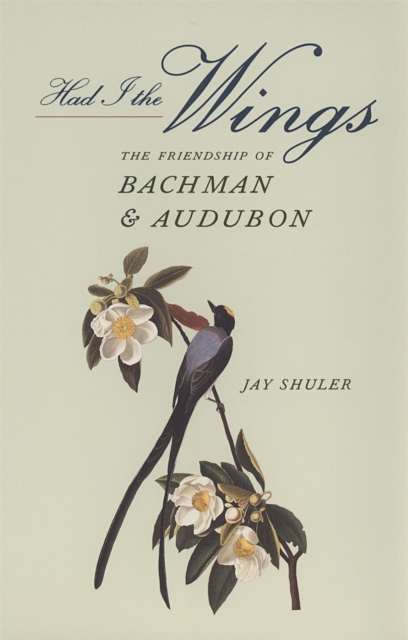
Had I the Wings : The Friendship of Bachman and Audubon
Publisher: University of Georgia Press
Free delivery available · Amazon buyer protection
It was most fortuitous that on his first visit to Charleston, John James Audubon would meet John Bachman, a Lutheran clergyman and naturalist. Their chance encounter in 1831 and immediate friendship profoundly affected the careers and social ties of these two men. In this elegantly written book, Jay Shuler offers the first in-depth portrayal of the Bachman-Audubon relationship and its significance in the creation of Audubon's works.
In the numerous writings celebrating Audubon, Bachman has been largely ignored, though he made substantive contributions to Audubon's Ornithological Biographies, was his partner in The Viviparous Quadrupeds of North America, and gave pivotal advice and assistance to Audubon during the troubled last decade of his career. Drawing on their voluminous correspondence, replete with accounts of their ornithological adventures and details of their personal and professional lives, Had I the Wings provides new insights into Audubon's life and work and rescues from obscurity John Bachman's contributions to American ornithology and mammalogy.
Over more than a decade, Bachman's home became, in effect, Audubon's home in America as they worked to complete The Birds of America and launch The Quadrupeds. The friendship was enriched and complicated by an intricate social web: both men were fond of Bachman's sister-in-law and competed for her attention, while Audubon's sons, John and Victor, married Bachman's older daughters, Maria and Eliza. Through fifteen years the friends exchanged long letters when separated and jointly wrote to their colleagues when together, collaborating on The Quadrupeds in the early 1840s.
Filled with exciting birding adventures and hunting expeditions, Had I the Wings illuminates the fascinating relationship between two major nineteenth-century naturalists.
Latest in Nature Writing & Wildlife
Browse all Nature Writing & Wildlife
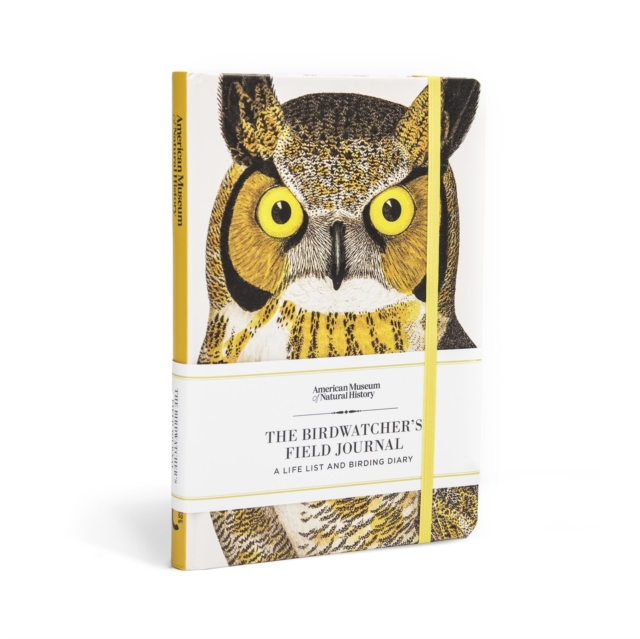
The Birdwatcher's Field Journal : A Life List and Birding Diary
American Museum of Natural History
Hardback
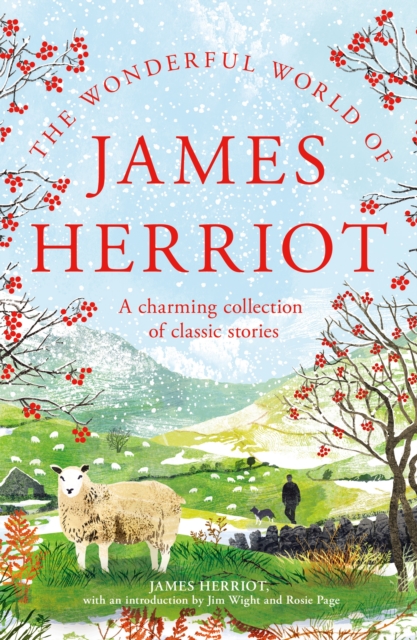
Wonderful World of James Herriot : A Charming Collection of Classic Stories
James Herriot, Jim Wight, Rosie Page
Paperback