Best for Shetland Visitors
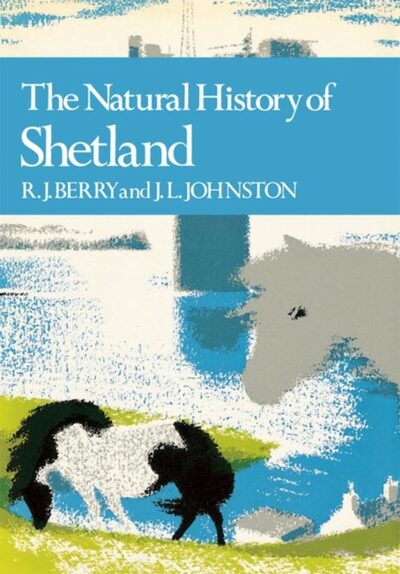
The Natural History of Shetland : 64
The first comprehensive account of the Shetland Islands' plants and animals, offering an invaluable guide to one of Britain's most extraordinary natural environments.
Affiliate link: We may earn a commission if you buy through this link, at no extra cost to you.
About the book
The Shetland Islands are the northernmost part of the British Isles, lying midway between Norway and Scotland, near the edge of the Continental Shelf. Their isolation and mixture of oceanic and Arctic ecologies have given rise to unique plant associations as well as forms of animal and plant species unknown on the British mainland. The archipelago is a Mecca for naturalists—especially birdwatchers attracted to the internationally famous rare migrants on Fair Isle—but this book is also for anyone who loves the wild and has an interest in natural history. The Natural History of Shetland includes chapters on geological history, human history, vegetation, the sea and its creatures, freshwater life, land animals and birds, supplemented by checklists on the better-recorded groups of species. It provides essential reading for all those concerned with the impact of North Sea oil and its related industries on Shetland. The authors are R.J. Berry, author of Inheritance and Natural History and Professor of Genetics at University College London, and Laughton Johnston, a Shetland schoolmaster and poet, and previously Nature Conservancy Council representative in the islands. Contributing chapters come from Professors D. Flinn of Liverpool (geology) and D.H.N. Spence of St Andrews (vegetation), Ian Robertson (Warden of the Fair Isle Bird Observatory), and Dr W.J. Syratt, who was resident ecologist for British Petroleum during the building of the Sullom Voe oil terminal.
Book details
Published by HarperCollins Publishers