Definitive Snowdonia Nature Guide
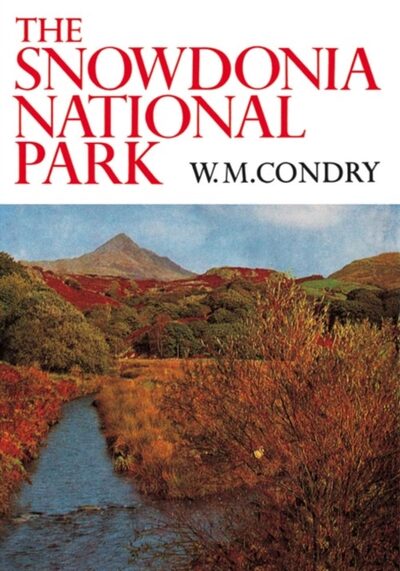
The Snowdonia National Park
An indispensable companion for every visitor, whether a naturalist or not, and the regular visitor no less than the first-timer will find their knowledge deepened and enlarged.
Affiliate link: We may earn a commission if you buy through this link, at no extra cost to you.
About the book
When the Snowdonia National Park was declared in 1956, it ensured the preservation for the naturalist of one of the best-known and best-loved regions of Britain. Here, in an area not too vast to overawe the visitor, despite its scenic grandeur, is a great diversity of natural beauty: wooded valleys and waterfalls; the grassy slopes of Siabod and Moel Hebog; the crags and precipices of Glyder, Snowdon and Cader Idris; heather country on the Rhinogs; Morfa Harlech's dunes and sandy shores. Not surprisingly, it is a region rich in wildlife: pine martens and polecats still survive there, and the enthusiast may discover the rare Snowdon lily or watch the flight of chough or peregrine. William Condry, who for years explored Snowdonia and studied its natural history, traces the formation and geology of the region, showing how they are related to soil and vegetation, and these in turn to animal life. He describes the mountain country section by section, while for those whose interests lie in a past less than prehistoric, he gives a lively account of some previous travelers to North Wales. The area dealt with embraces the whole National Park, a much greater reach of country than until 1956 was covered by the name Snowdonia—now including nearly the whole of Merioneth in addition to much of Caernarvonshire.
Book details
Published by HarperCollins Publishers