Best Books about Everest

8 books reviewed

Mount Everest has captivated the imagination of climbers, adventurers and readers for over a century. The world's highest mountain has been the setting for extraordinary human achievement, devastating tragedy, and everything in between. Whether you're planning your own expedition, fascinated by mountaineering history, or simply drawn to tales of human endurance, there's an Everest book waiting for you.

The literature of Everest falls into several distinct categories. Classic expedition accounts document the early attempts and first ascent, offering invaluable historical perspective. Modern disaster narratives examine what happens when conditions turn deadly on the mountain. Personal memoirs provide intimate views of what it's really like to climb the world's highest peak. Sherpa perspectives give voice to the people whose culture and labour make most Everest ascents possible. And investigative histories explore the broader context of how and why people climb Everest.

For British readers with a particular interest in the mountain's history, The Ascent of Everest by John Hunt remains the definitive account of the successful 1953 British expedition. Hunt's leadership and his team's achievement represent a watershed moment in mountaineering history, and this book captures it with clarity and grace.

If you're drawn to more recent events, Into Thin Air by Jon Krakauer is essential reading. His firsthand account of the 1996 disaster that killed eight climbers in a single day remains the most widely-read Everest book of all time. For a different perspective on the same events, The Climb by Anatoli Boukreev offers a contrasting view that sparked considerable debate.

Those interested in what motivates people to risk everything for the summit should explore High Exposure by David Breashears, which combines stunning photography with profound insights into the climbing life. The books in this guide will help you understand not just what happens on Everest, but why the mountain continues to exert such a powerful hold on the human imagination.

Our Picks

8 books
1
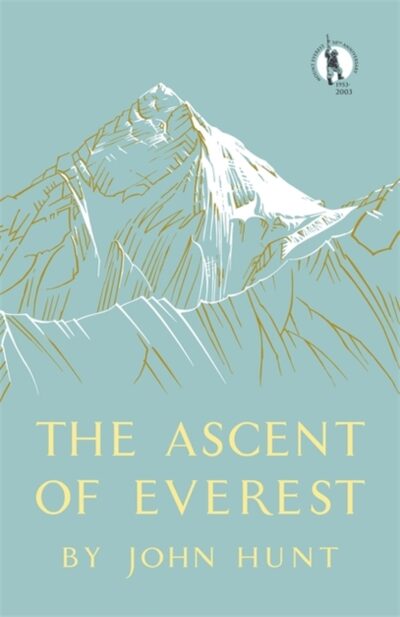
Ascent of Everest

Ascent of Everest

by John Hunt Paperback
John Hunt's official account of the 1953 British Everest expedition remains the gold standard for mountaineering literature. Written by the expedition leader, it provides meticulous detail about the planning, logistics, and execution of the first successful ascent by Edmund Hillary and Tenzing Norgay. Hunt writes with characteristic British understatement, yet the drama and significance of the achievement shine through. This is essential reading for anyone interested in mountaineering history, offering insights into leadership, teamwork, and the evolution of high-altitude climbing techniques. Best suited for readers who appreciate historical documentation and want to understand how Everest was first conquered.
2
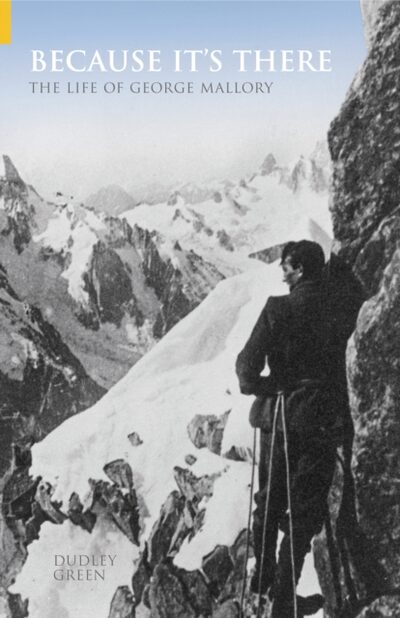
Because It's There : The Life of George Mallory

Because It's There : The Life of George Mallory

by Dudley Green Paperback
Dudley Green's biography explores the life of George Mallory, the man whose answer to why he wanted to climb Everest—'Because it's there'—became mountaineering's most famous quote. The book examines Mallory's background, his climbing partnerships, and the expeditions that led to his disappearance in 1924. Green provides context about Edwardian society, the development of mountaineering, and what drove these early pioneers. This is perfect for readers interested in the human stories behind exploration, and for those fascinated by the enduring mystery of whether Mallory reached the summit.
3
Into Thin Air : A Personal Account of the Everest Disaster
Into Thin Air : A Personal Account of the Everest Disaster

by Jon Krakauer Paperback
Jon Krakauer's account of the 1996 Everest disaster is arguably the most influential mountaineering book ever written. As a journalist on assignment for Outside magazine, Krakauer was climbing Everest when a storm struck, killing eight people in a single day. His unflinching examination of what went wrong—commercial pressures, poor decisions, and bad luck—sparked intense debate about commercialisation of Everest. The writing is powerful and immediate, making technical climbing comprehensible to general readers. Essential for anyone interested in Everest, disaster narratives, or the ethics of adventure tourism. Accessible to newcomers whilst offering depth for experienced mountaineers.
4
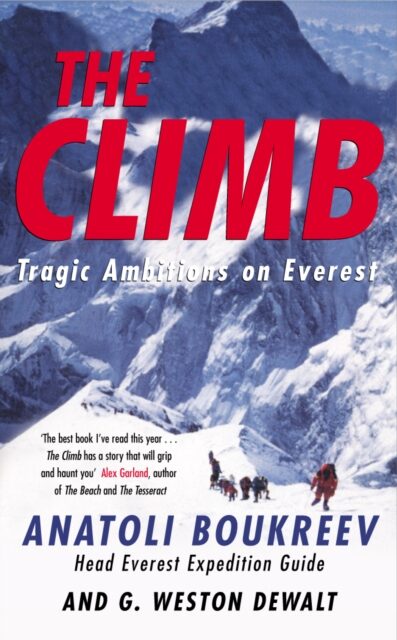
The Climb : Tragic Ambitions on Everest
The Climb : Tragic Ambitions on Everest

by Anatoli Boukreev, G.Weston DeWalt Paperback
Anatoli Boukreev's response to Jon Krakauer's Into Thin Air offers a crucial alternative perspective on the 1996 disaster. As a guide for the Mountain Madness expedition, Boukreev's actions during the storm were controversial—Krakauer criticised his decision to descend without oxygen ahead of his clients, though Boukreev then returned to rescue three climbers. Co-written with G. Weston DeWalt, this book defends Boukreev's choices and offers insights into high-altitude guiding. It's essential reading for anyone who's read Into Thin Air and wants to understand different viewpoints on the tragedy. Best for readers interested in the complexities of disaster analysis.
5
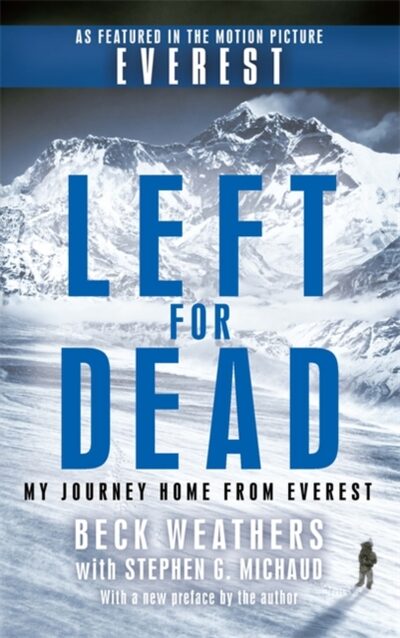
Left For Dead : My Journey Home from Everest
Left For Dead : My Journey Home from Everest

by Dr Beck Weathers Paperback
Beck Weathers' survival story from the 1996 disaster is almost unbelievable. Left for dead twice on the mountain, suffering severe frostbite and hypothermia, Weathers somehow staggered back to camp and survived. His memoir examines not just the physical ordeal but the psychological journey—what drove him to Everest, how his obsession affected his family, and how near-death transformed his priorities. Weathers writes honestly about his flaws and the consequences of his choices. This is perfect for readers interested in survival psychology, personal transformation, and what happens after disaster. More introspective than action-focused.
6
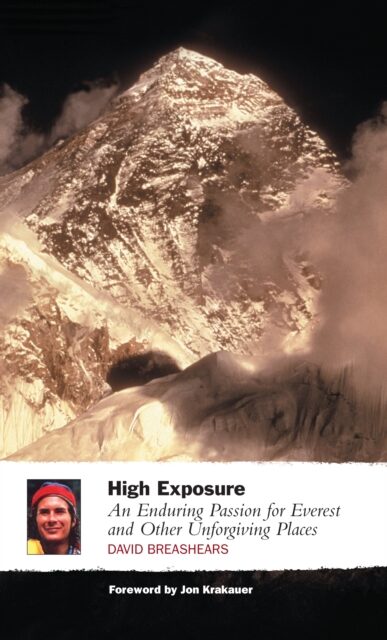
High Exposure : An Enduring Passion for Everest and Other Unforgiving Places
High Exposure : An Enduring Passion for Everest and Other Unforgiving Places

by David Breashears, Jon Krakaeur Paperback
David Breashears brings a unique perspective as both an elite climber and pioneering IMAX cinematographer. His memoir spans decades of Everest experience, including guiding Ed Viesturs and filming on the mountain during the 1996 disaster. Breashears writes thoughtfully about what draws people to extreme environments, the evolution of Everest climbing, and the intersection of adventure and media. His photographic eye translates into vivid descriptions of the mountain. This book suits readers wanting to understand the deeper motivations behind high-altitude climbing, and those interested in the commercial and media aspects of modern Everest expeditions.
7
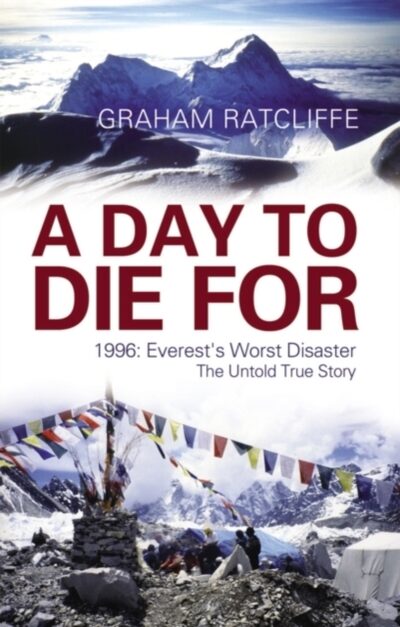
A Day to Die for : 1996: Everest's Worst Disaster - One Survivor's Personal Journey to Uncover the Truth
A Day to Die for : 1996: Everest's Worst Disaster - One Survivor's Personal Journey to Uncover the Truth

by Graham Ratcliffe Paperback
Graham Ratcliffe, who survived the 1996 disaster, spent years investigating what really happened during those fatal days. His book synthesises multiple perspectives, examines decisions made throughout the expeditions, and explores systemic issues in commercial mountaineering. Ratcliffe brings investigative rigour to the story, fact-checking claims and interviewing survivors. For readers who've already explored other 1996 accounts and want deeper analysis, this provides comprehensive context. It's more investigative than memoir-focused, making it ideal for those interested in understanding the full picture rather than a single narrative thread.
8
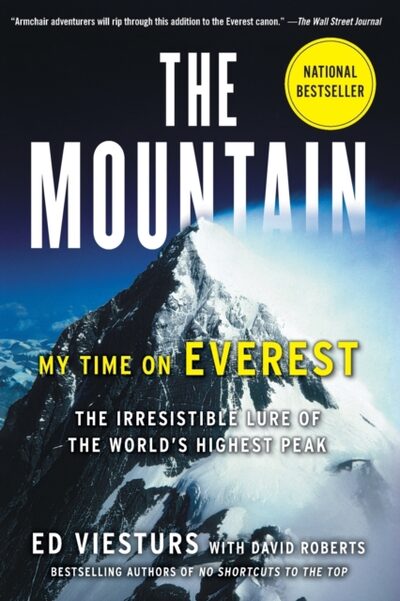
The Mountain : My Time on Everest

The Mountain : My Time on Everest

by Ed Viesturs, David Roberts Paperback
Ed Viesturs, the first American to summit all fourteen 8,000-metre peaks without supplementary oxygen, brings unparalleled high-altitude experience to his Everest memoir. Co-written with David Roberts, the book examines Viesturs' multiple Everest expeditions, his philosophy of 'getting to the top is optional, getting down is mandatory,' and his work as a guide and IMAX climber. Viesturs offers measured, thoughtful analysis of risk management and decision-making at extreme altitude. Perfect for serious mountaineers and those interested in the ethics and psychology of high-altitude climbing. His safety-conscious approach provides important counterpoint to summit-fever narratives.

Frequently Asked Questions

The Ascent of Everest by John Hunt is the definitive account, written by the expedition leader himself. For context about the attempts that preceded success, The Fight for Everest 1924 provides fascinating historical background.

Into Thin Air by Jon Krakauer remains the most powerful account of the 1996 disaster. For alternative perspectives on the same events, consider The Climb by Anatoli Boukreev or Left for Dead by Beck Weathers.

British mountaineering has deep connections to Everest. The Ascent of Everest and The Fight for Everest 1924 cover historic British expeditions, whilst Because It's There: The Life of George Mallory explores Britain's most famous Everest mystery.

Touching My Father's Soul by Jamling Tenzing Norgay provides an essential Sherpa voice, as the son of Tenzing Norgay who first summited with Hillary. This perspective is crucial for understanding the full story of Everest mountaineering.

Into Thin Air is exceptionally accessible and gripping from the first page. Alternatively, The Chomolungma Diaries by Mark Horrell offers a more recent and relatable account of a commercial expedition.
All Climbing & Mountaineering Books