Classic climbing memoirs represent some of the most gripping literature in outdoor writing — tales of triumph and tragedy, perseverance and loss, set against the world's most spectacular mountain backdrops. These aren't just adventure stories; they're profound explorations of human nature under extreme conditions, where every decision can mean the difference between life and death.
The golden age of mountaineering memoir spans from the early 20th century pioneers to contemporary alpinists, each generation adding their unique voice to the canon. You'll find Victorian gentlemen climbers documenting first ascents in the Alps, post-war expeditions to the great Himalayan peaks, and modern accounts of cutting-edge alpinism that push the boundaries of what's possible.
Types of Climbing Memoirs
Expedition narratives form the backbone of this genre, with books like Annapurna: The First Conquest of an 8,000-Meter Peak by Maurice Herzog documenting historic first ascents. These accounts combine geographical exploration with personal drama, often written in the immediate aftermath of groundbreaking achievements.
Personal journey memoirs focus on individual transformation through climbing, such as Touching the Void by Joe Simpson, which has become required reading for its honest portrayal of survival and the psychological aftermath of near-death experiences. Similarly, The Totem Pole by Paul Pritchard offers an unflinching account of recovery and resilience following a life-changing accident.
Career retrospectives by legendary climbers provide insider perspectives on the evolution of the sport. Beyond the Mountain by Steve House examines what lies beneath the surface of high-altitude achievement, whilst Doug Scott's Himalayan Climber chronicles decades of pioneering routes in the greater ranges.
Choosing Your Next Climbing Memoir
If you're new to mountaineering literature, start with accessible yet powerful narratives like Simpson's work. For those interested in mountaineering history, the early Everest expeditions offer fascinating period detail. Experienced climbers and historians will appreciate the technical and philosophical depth found in books by alpinists like Reinhold Messner and Hermann Buhl, whose introspective accounts explore the psychology of extreme climbing.
Our Picks
11 books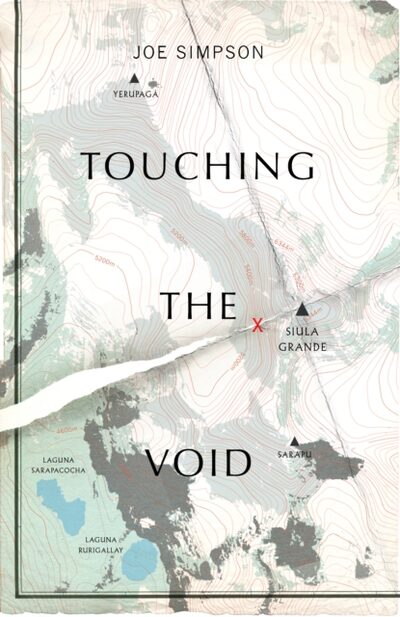
Touching The Void : (Vintage Voyages)

Annapurna : The First Conquest Of An 8,000-Meter Peak

Into Thin Air : A Personal Account of the Everest Disaster

Rope Boy : A life of climbing from Yorkshire to Yosemite

The Totem Pole : Surviving the Ultimate Adventure

Ascent of Everest

Nanga Parbat Pilgrimage : The great mountaineering classic
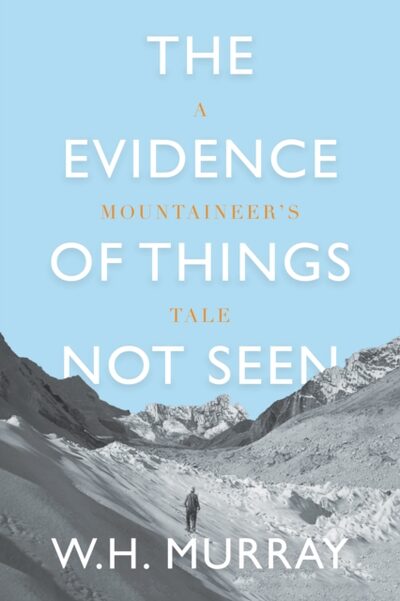
The Evidence of Things Not Seen : A Mountaineer's Tale
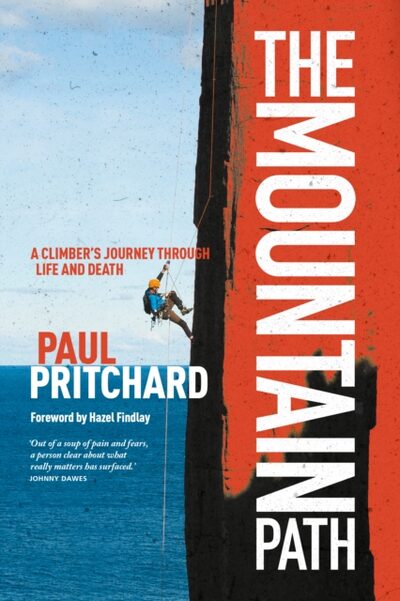
The Mountain Path : A climber's journey through life and death

Conquistadors of the Useless : From the Alps to Annapurna