Rewilding: Key Books Explained

10 books reviewed

Rewilding has captured the imagination of nature lovers across Britain and beyond. Whether it's the return of beavers to our rivers, the reintroduction of sea eagles to Scottish skies, or simply letting your garden grow wild, the movement to restore natural processes is gathering momentum. But where do you start if you want to understand this transformative approach to conservation?

The rewilding literature spans several distinct categories. There are practical guides for those wanting to take action, from managing a woodland to creating wildlife havens. Scientific explorations delve into ecology, predator-prey relationships, and ecosystem dynamics. Inspirational memoirs follow individuals who've undertaken rewilding projects, whilst philosophical works examine our relationship with wildness itself. For British readers, books focusing on European and UK contexts are particularly relevant, though lessons from North American wolf reintroductions remain instructive.

If you're seeking inspiration combined with practical wisdom, A Wood of One's Own by Ruth Pavey offers a beautifully written account of managing a small woodland with nature at its heart. For understanding the science behind apex predators and trophic cascades, Decade of the Wolf provides compelling evidence from Yellowstone's wolf reintroduction. Those interested in Britain's rewilding potential will find The Eagle's Way by Jim Crumley both poetic and persuasive, whilst Rewild Yourself by Simon Barnes offers an accessible entry point for anyone wanting to reconnect with wildness in everyday life.

This guide will help you navigate the rewilding bookshelf, whether you're a landowner considering a project, a student of ecology, or simply someone who believes that nature deserves more space to breathe. Each book offers a different perspective on what it means to step back and let wildness return.

Our Picks

10 books
1
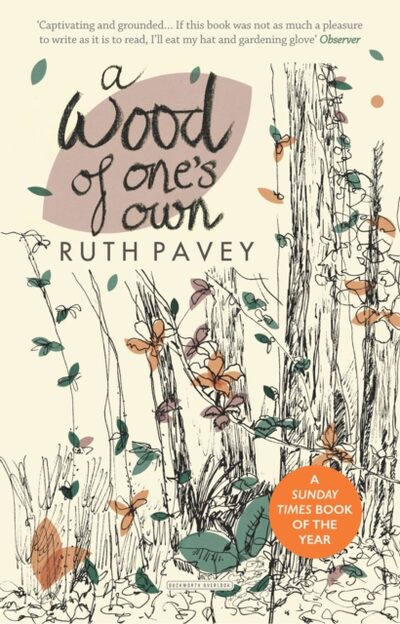
A Wood of One's Own : A lyrical, beguiling and inspiring nature memoir
A Wood of One's Own : A lyrical, beguiling and inspiring nature memoir

by Ruth Pavey Paperback
Ruth Pavey's memoir chronicles her experience managing a small Herefordshire woodland with nature as the priority. Rather than intensive forestry, she advocates for minimal intervention, allowing natural processes to take over whilst carefully observing the results. The writing is lyrical yet practical, weaving together personal reflection, ecological observation, and the challenges of balancing human needs with wildlife conservation. This book is ideal for anyone with their own piece of land—or dreaming of acquiring one—who wants to understand what rewilding might look like on a small scale. It's particularly valuable for British readers as it addresses our specific landscape, wildlife, and cultural context.
2
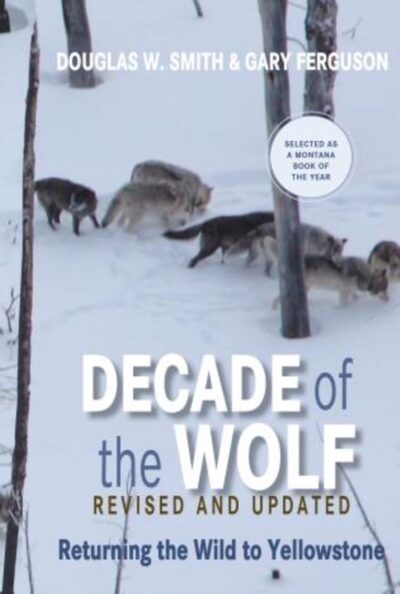
Decade of the Wolf, Revised and Updated : Returning The Wild To Yellowstone
Decade of the Wolf, Revised and Updated : Returning The Wild To Yellowstone

by Douglas Smith, Gary Ferguson Paperback
Douglas Smith and Gary Ferguson document the extraordinary story of wolves returning to Yellowstone National Park after a 70-year absence. The book presents compelling scientific evidence of trophic cascades—how apex predators can reshape entire ecosystems, from elk behaviour to riverside vegetation. This revised edition includes updates on the ongoing success and challenges of the reintroduction. Though focused on North America, the lessons are globally relevant and particularly instructive for those advocating for large predator reintroductions in Britain. Essential reading for anyone wanting to understand the science underpinning rewilding, written accessibly for general readers whilst maintaining scientific rigour.
3
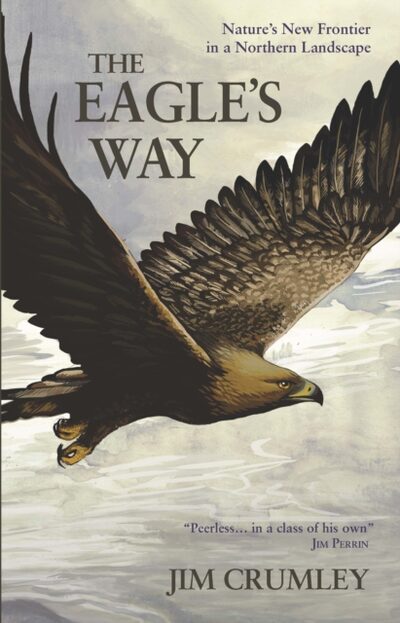
The Eagle's Way : Nature's New Frontier in a Northern Landscape
The Eagle's Way : Nature's New Frontier in a Northern Landscape

by Jim Crumley Paperback
Jim Crumley follows the return of sea eagles to Scotland, using this success story as a lens through which to examine Britain's rewilding potential. His writing combines natural history expertise with passionate advocacy for giving nature more space. The book explores what these magnificent raptors can teach us about restoring ecosystems and reimagining our relationship with the wild. Crumley's prose is poetic yet grounded in careful observation, making complex ecological concepts accessible. This is perfect for British readers interested in what rewilding might look like in our own landscapes, written by someone who knows Scottish wilderness intimately and believes in its capacity for restoration.
4
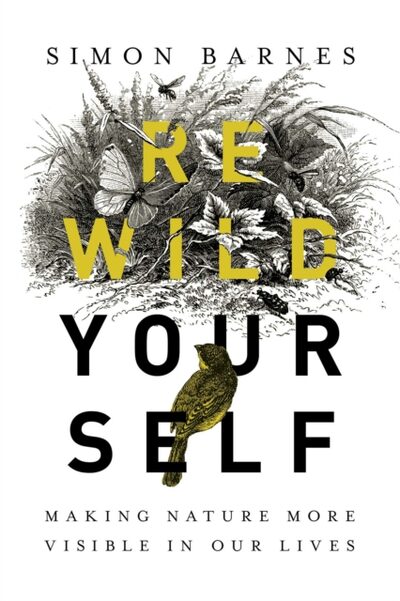
Rewild Yourself : Making Nature More Visible in our Lives
Rewild Yourself : Making Nature More Visible in our Lives

by Simon Barnes Hardback
Simon Barnes offers an accessible introduction to rewilding that extends beyond land management to personal reconnection with nature. He argues that rewilding begins with changing how we see and interact with the natural world around us, whether in our gardens, local parks, or countryside. The book is less technical than some rewilding texts, focusing instead on inspiring readers to notice, appreciate, and make space for wildlife in their daily lives. It's ideal for those new to rewilding concepts, urban dwellers wondering how they can participate, or anyone seeking a philosophical rather than purely practical approach. Barnes writes with warmth and enthusiasm, making this an encouraging starting point.
5
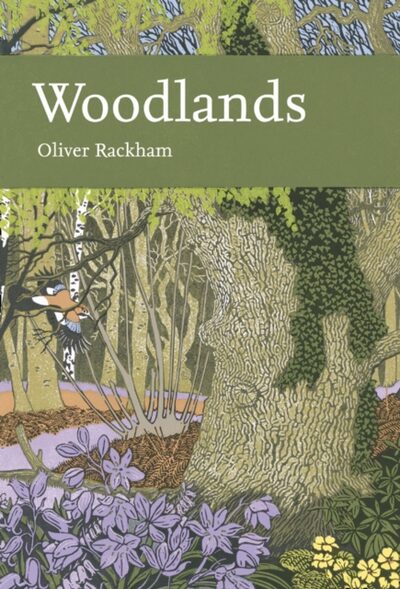
Woodlands : 100

Woodlands : 100

by Oliver Rackham Hardback
Oliver Rackham's masterwork is the definitive text on British woodland ecology and history. Whilst not exclusively about rewilding, it's essential reading for understanding how our woodlands have been shaped by human activity over millennia. Rackham explains ancient woodland indicators, the importance of continuity, and how different management practices affect biodiversity. His insights are crucial for anyone considering woodland rewilding, as he demonstrates that 'wildness' in Britain is rarely about pristine nature but rather about working with our landscape's history. Dense with information but clearly written, this is best suited to serious students of ecology or landowners managing woodland, though any nature lover will find it rewarding.
6
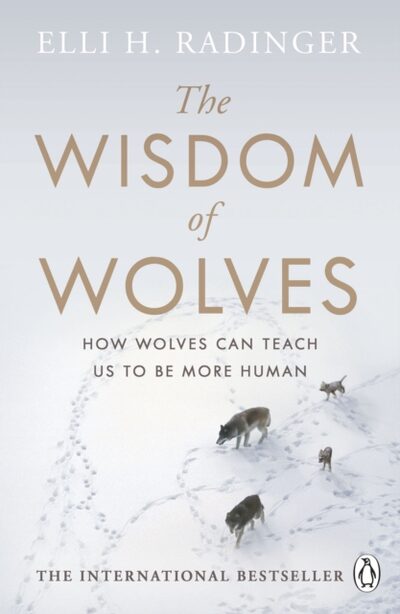
The Wisdom of Wolves : How Wolves Can Teach Us To Be More Human
The Wisdom of Wolves : How Wolves Can Teach Us To Be More Human

by Elli H. Radinger Paperback
Elli Radinger draws on decades of wolf observation to explore what these apex predators can teach us about family, cooperation, and living in balance with nature. Whilst not strictly a rewilding manual, the book provides valuable insights into wolf behaviour and pack dynamics that are relevant to understanding their ecological role. Radinger combines scientific observation with accessible storytelling, making wolf biology comprehensible to general readers. The book is particularly valuable for those interested in the social and behavioural aspects of large predators, and for understanding why wolves matter in rewilding contexts. It challenges misconceptions about wolves whilst celebrating their complexity and importance to ecosystem health.
7
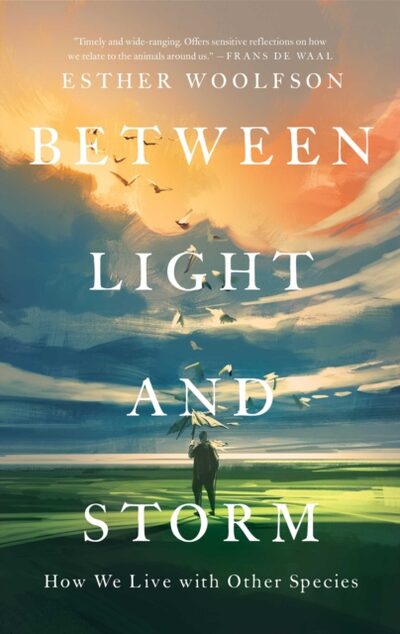
Between Light and Storm : How We Live with Other Species
Between Light and Storm : How We Live with Other Species

by Esther Woolfson Hardback
Esther Woolfson explores our relationships with other species through philosophy, natural history, and personal reflection. She examines how we share space with wildlife, how we impact their lives, and what responsibilities arise from these entanglements. Whilst broader than rewilding alone, the book addresses fundamental questions about coexistence that are central to any rewilding project. Woolfson writes with intellectual depth and emotional intelligence, drawing on diverse sources from science to literature. This is ideal for readers interested in the ethical and philosophical dimensions of rewilding—those who want to think deeply about what it means to make space for wildness rather than simply learning how to do so.
8
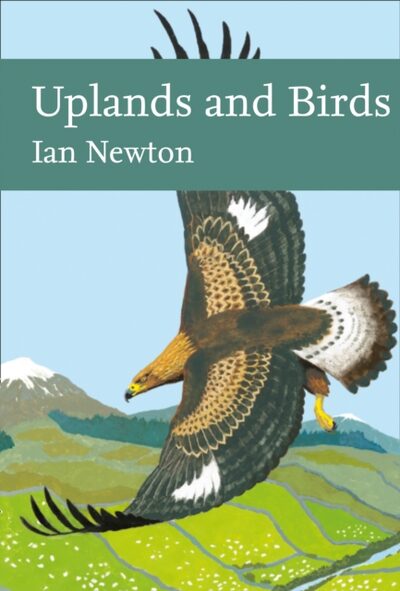
Uplands and Birds

Uplands and Birds

by Ian Newton Hardback
Ian Newton examines the relationships between upland birds and their habitats, exploring how land management practices affect bird populations. Whilst not exclusively about rewilding, the book provides scientific understanding crucial for upland restoration projects. Newton discusses moorland management, grazing impacts, predation, and how different approaches create different bird communities. His analysis is rigorously scientific yet accessible, drawing on decades of research. This book is essential for anyone involved in upland conservation or rewilding in Britain's hills and mountains. It's particularly valuable for understanding the complexities and trade-offs involved in upland management, helping readers make evidence-based decisions rather than relying on ideology alone.
9
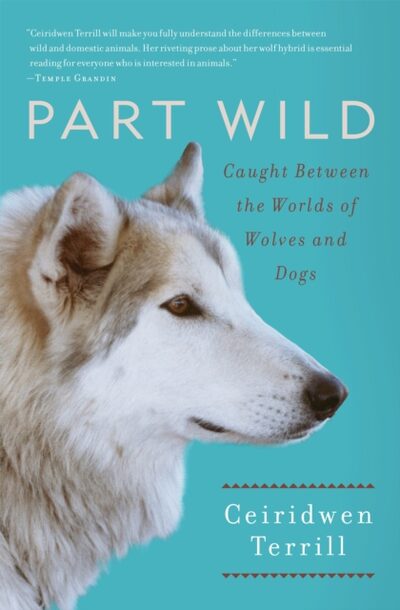
Part Wild : Caught Between the Worlds of Wolves and Dogs
Part Wild : Caught Between the Worlds of Wolves and Dogs

by Ceiridwen Terrill Paperback
Ceiridwen Terrill's memoir explores her experience living with a wolfdog hybrid, using this personal story to examine broader questions about wildness, domestication, and our relationships with animals. The book raises important questions about what 'wild' means and whether attempting to keep wild animals is compatible with their nature. Whilst not a rewilding guide, it offers valuable perspectives on the boundaries between wild and domestic, and the consequences of crossing those boundaries. The narrative is honest about the challenges and failures involved. This is suited to readers interested in the philosophical aspects of rewilding and those questioning what our obligations are to wild animals in human-dominated landscapes.
10
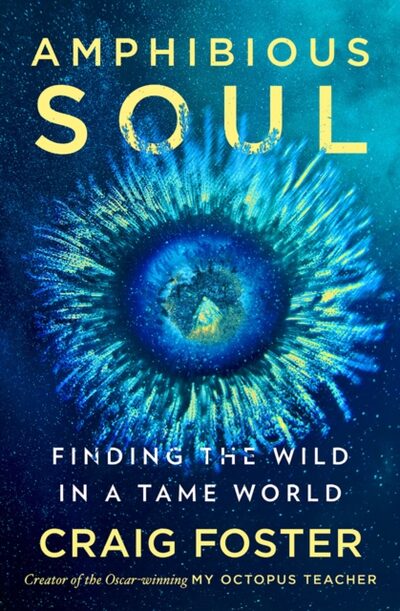
Amphibious Soul : Finding the wild in a tame world

Amphibious Soul : Finding the wild in a tame world

by Craig Foster Paperback
Craig Foster, renowned for the documentary 'My Octopus Teacher', explores finding wildness in everyday encounters with nature, particularly in coastal environments. He advocates for deep, sustained attention to the natural world as a path to reconnection and understanding. The book combines memoir with natural history, showing how profound relationships with wild creatures can develop through patient observation. Foster's approach aligns with rewilding's broader philosophy of restoring our connection to nature. This is ideal for readers interested in personal transformation through nature connection, those drawn to marine environments, or anyone seeking inspiration for deeper engagement with the wild places and creatures near them.

Frequently Asked Questions

Rewild Yourself by Simon Barnes is an excellent starting point, offering accessible insights into reconnecting with nature without requiring specialist knowledge. For those interested in personal woodland management, A Wood of One's Own combines lyrical writing with practical experience that's easy to follow.

Decade of the Wolf documents one of the world's most famous rewilding projects—the return of wolves to Yellowstone National Park. The book provides compelling evidence of how apex predators can restore entire ecosystems, demonstrating the transformative power of rewilding on a landscape scale.

Yes, The Eagle's Way by Jim Crumley focuses on the return of sea eagles to Scotland and explores Britain's rewilding potential with beautiful prose. Woodlands by Oliver Rackham, whilst not exclusively about rewilding, provides essential context for understanding British woodland ecology and management.

Decade of the Wolf offers the most comprehensive scientific analysis, documenting trophic cascades and ecosystem responses to wolf reintroduction. Uplands and Birds by Ian Newton provides scientific insights into upland ecosystems that are relevant to understanding rewilding in British contexts.

A Wood of One's Own is perfect for this, as Ruth Pavey shares her personal journey managing a small woodland with conservation principles. Woodlands by Oliver Rackham provides the historical and ecological understanding necessary for making informed decisions about land management.
All Nature Writing & Wildlife Books