Classic nature writing represents some of the most enduring and transformative literature in the English language. These are books that do more than merely describe the natural world—they illuminate our relationship with it, challenge our assumptions, and offer profound reflections on what it means to be human in a wild, complex ecosystem. For British readers especially, this tradition runs deep, from Gilbert White's pioneering observations to contemporary voices continuing the conversation.
What defines 'classic' nature writing? It's writing that combines acute observation with literary merit, scientific curiosity with philosophical depth. These books have stood the test of time, influencing generations of readers and writers. They range from intimate parish observations to epic wilderness narratives, from ornithological studies to philosophical meditations on place and belonging.
The genre encompasses several distinct approaches. You'll find founding texts like Walden, Thoreau's meditation on simple living that remains startlingly relevant today. There are British classics from the New Naturalist series, including works like The Natural History of the Highlands and Islands, which established a gold standard for regional natural history writing. Ornithological classics such as The Herring Gull's World by Niko Tinbergen brought scientific rigour to accessible prose.
For beginners to the genre, All Things Wise and Wonderful by James Herriot offers a gentle, humorous introduction—nature writing through the lens of veterinary practice in the Yorkshire Dales. More ambitious readers might tackle the comprehensive New Naturalist volumes, whilst those seeking philosophical depth will find it in abundance in Thoreau.
British classics often focus on particular regions or species with extraordinary depth. The New Naturalist series pioneered this approach, with volumes dedicated to specific landscapes, from woodland to moorland, each written by leading experts of their day. These books combine scientific authority with genuine literary craft—qualities that separate classic nature writing from simple field guides.
Whether you're drawn to the detailed observations of a single species, the sweep of regional natural history, or philosophical reflections on our place in nature, classic nature writing offers riches that reward repeated reading. These aren't books to rush through; they're companions for a lifetime.
Our Picks
12 books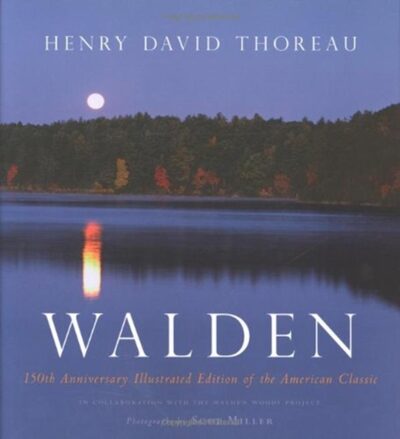
Walden : 150th Anniversary Illustrated Edition of the American Classic
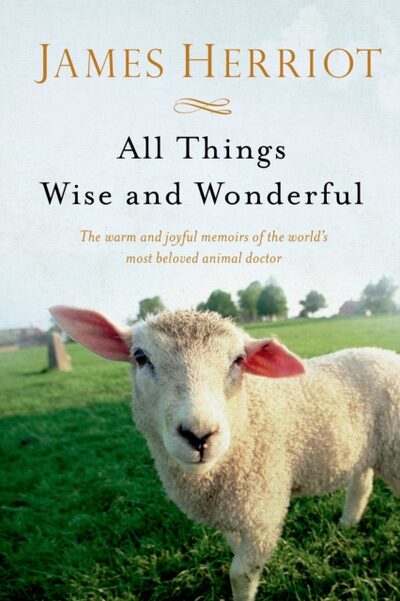
All Things Wise and Wonderful : The Warm and Joyful Memoirs of the World's Most Beloved Animal Doctor
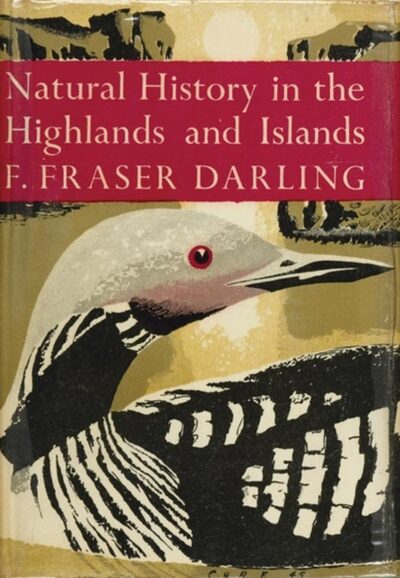
The Natural History of the Highlands and Islands : 6
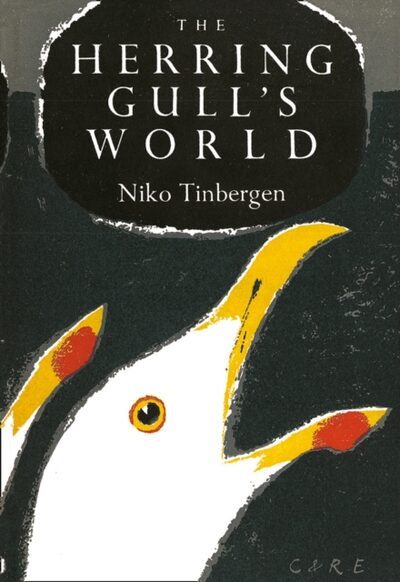
The Herring Gull's World : 9
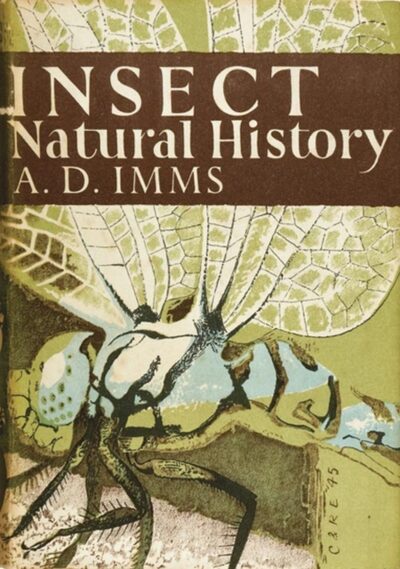
Insect Natural History : 8
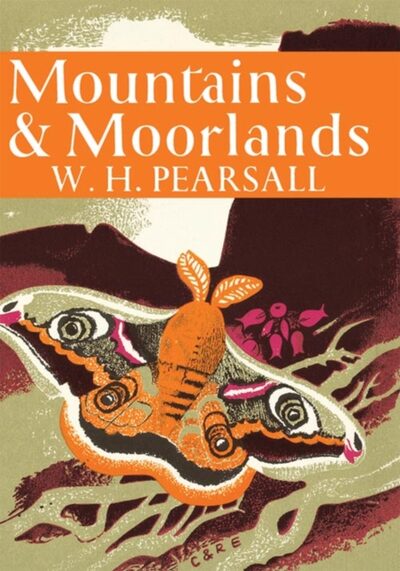
Mountains and Moorlands : 11
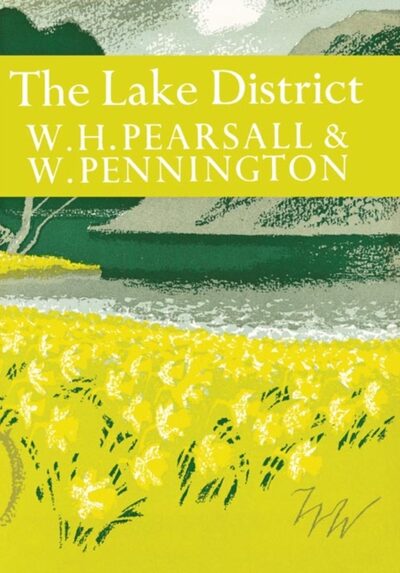
The Lake District : 53
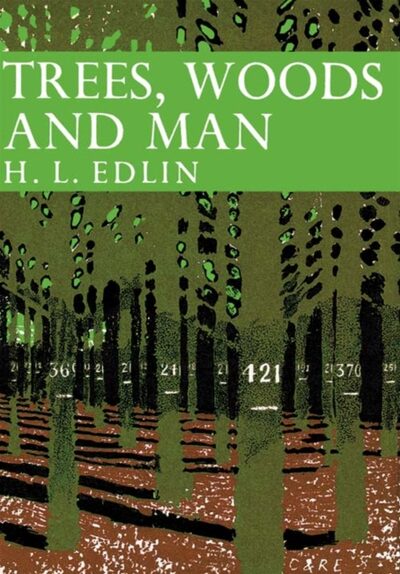
Trees, Woods and Man : 32
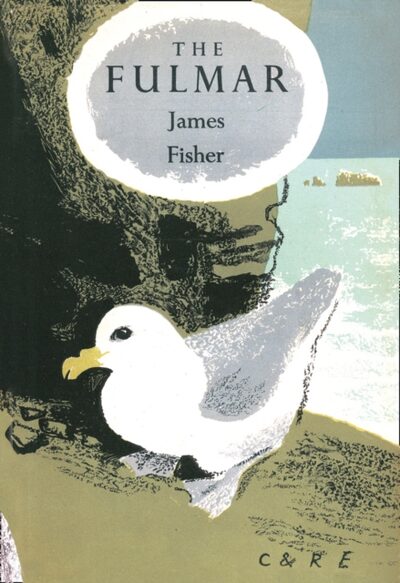
The Fulmar : 6
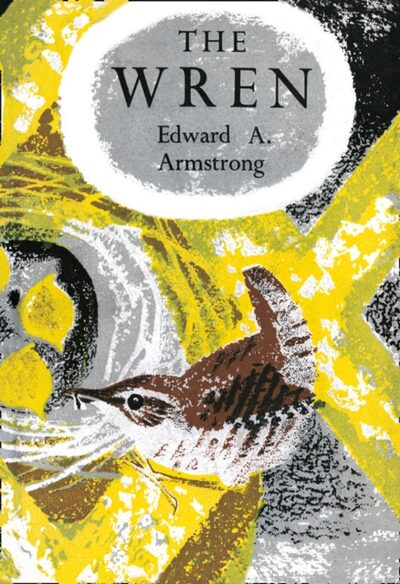
The Wren : 3
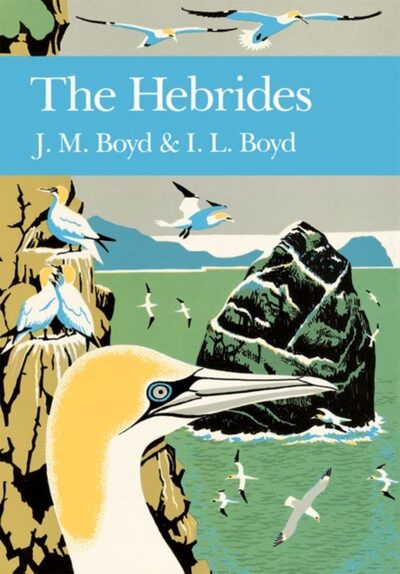
The Hebrides