Paddling books fall into two camps. Most are route guides, written for people who already own a boat or a board and want to know where to put it in. A smaller number are the stories of people who took a kayak or canoe somewhere extraordinary. This guide covers both, and it is upfront about what is missing: the catalogue holds almost nothing that teaches technique, because that is better learned on the water with a qualified coach.
Start with a guide to where you will paddle
If the question is simply "where can we go?", a regional guide answers it best. Paddling Britain is the widest net, with 50 places from Cornwall to the Cairngorms, and Great British Paddling Adventures mixes gentler outings with a few that ask more of the paddler, including overnight trips with wild camping. Both cover kayak, canoe and paddleboard.
For a particular part of the country, the regional titles go deeper. Paddle Scotland, Paddle the East of England, and Lisa Drewe's guides to Wales and the South West each list dozens of places. The Wales and South West titles lead with paddle boarding, but both list canoe and kayak alongside it.
River guides for planning a whole trip
A river is easier to plan with a guide that follows it end to end. Pesda Press publishes one river at a time, and the ones in the catalogue include the Wye, the Severn, the Avon and, in Scotland, Loch Lomond and the Trossachs. Expect sections with distances, grades, access points and campsites, which is the information that decides whether a day on the water goes smoothly.
Stories from the water
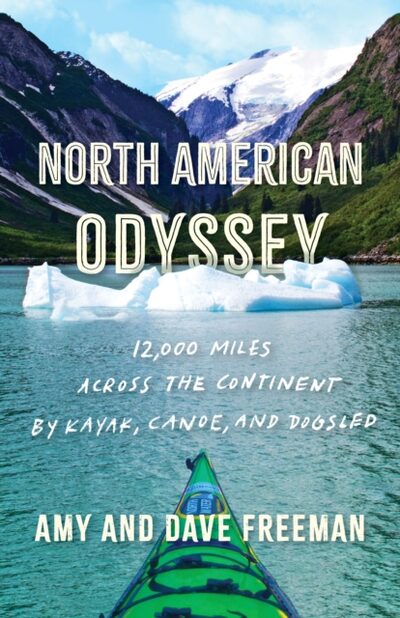
The expedition books are the ones to read before the trip you are not yet brave enough to take. There Will Be Headwinds follows the first team to kayak the Northwest Passage. Moderate Becoming Good Later takes the sea areas of the Shipping Forecast one at a time. And North American Odyssey stretches a honeymoon across three years and a continent. For a book about the boat itself, Bark Canoes looks at the Indigenous canoe-building traditions of North America through the work of Tappan Adney.
Before you go
A guidebook describes a river or coastline on a good day. Wind, tide, water level and your own experience decide what it is like on yours, so the sensible order is training first, route second. Paddle UK, the national body (it was British Canoeing until 2024), runs courses and keeps information on access. That matters because the rules differ: Scotland has statutory access rights that cover paddling, while on many rivers in England and Wales the right to paddle is more limited and worth checking before you launch.
Our Picks
12 books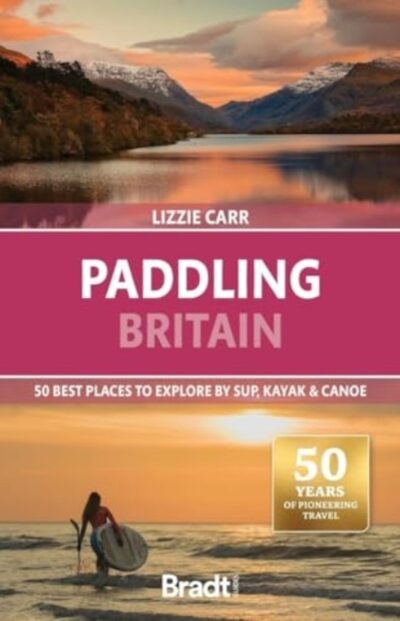
Paddling Britain : 50 Best Places to Explore by SUP, Kayak & Canoe
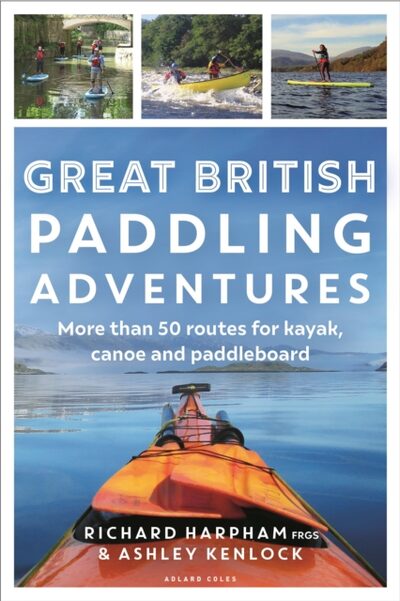
Great British Paddling Adventures : More than 50 routes for kayak, canoe and paddleboard

Paddle Scotland : The Best Places to Go with a Paddleboard, Kayak or Canoe
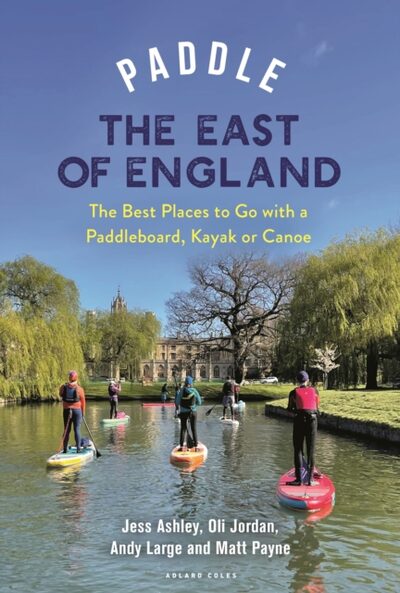
Paddle the East of England : The Best Places to Go with a Paddleboard, Kayak or Canoe
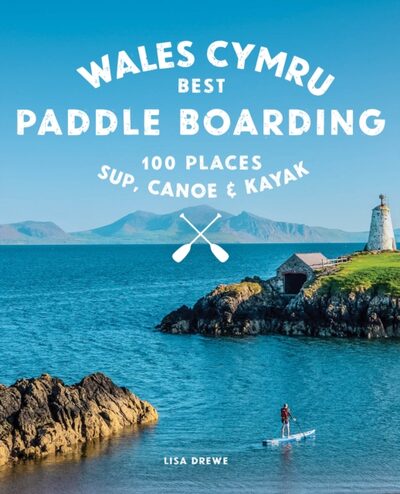
Paddle Boarding Wales Cymru : 100 places to SUP, canoe, and kayak including Snowdonia, Pembrokeshire, Gower and the Wye : 2
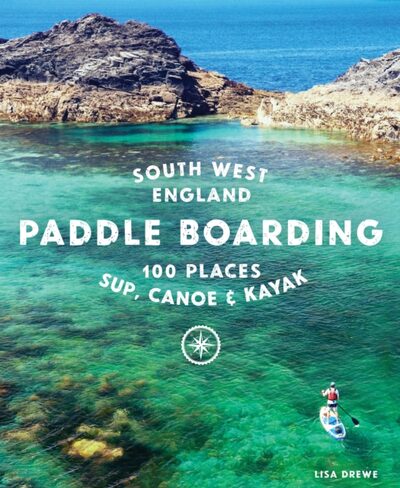
Paddle Boarding South West England : 100 places to SUP, canoe, and kayak in Cornwall, Devon, Dorset, Somerset, Wiltshire and Bristol
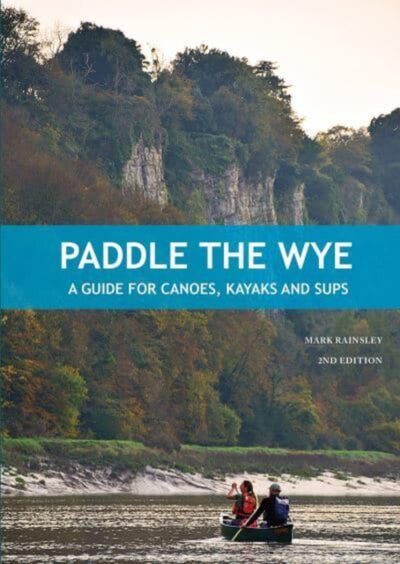
Paddle the Wye : A Guide for Canoes, Kayaks and SUPs
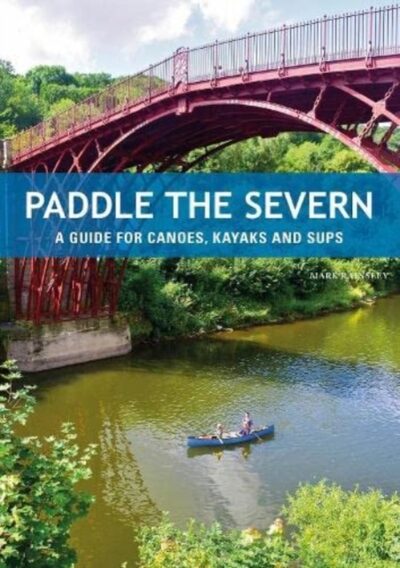
Paddle the Severn : A Guide for Canoes, Kayaks and SUP's
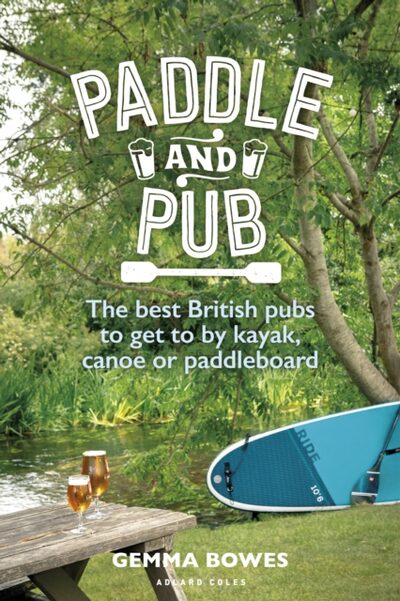
Paddle and Pub : The best British pubs to get to by kayak, canoe or paddleboard
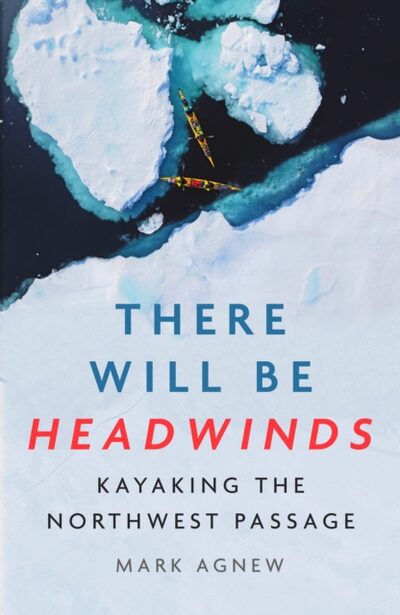
There Will Be Headwinds : Kayaking the Northwest Passage
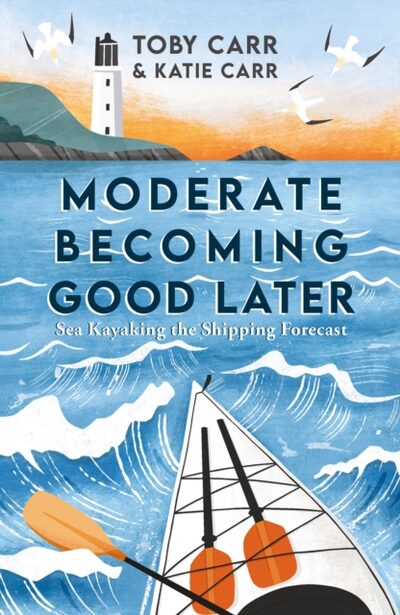
Moderate Becoming Good Later : Sea Kayaking the Shipping Forecast - as seen on the BBC Travel Show